North Sea Port and a consortium of maritime, education, and logistics partners are exploring whether work pontoon TB105, operated by De Vlissingse Bootliedenwacht, can be converted to fully electric operation.
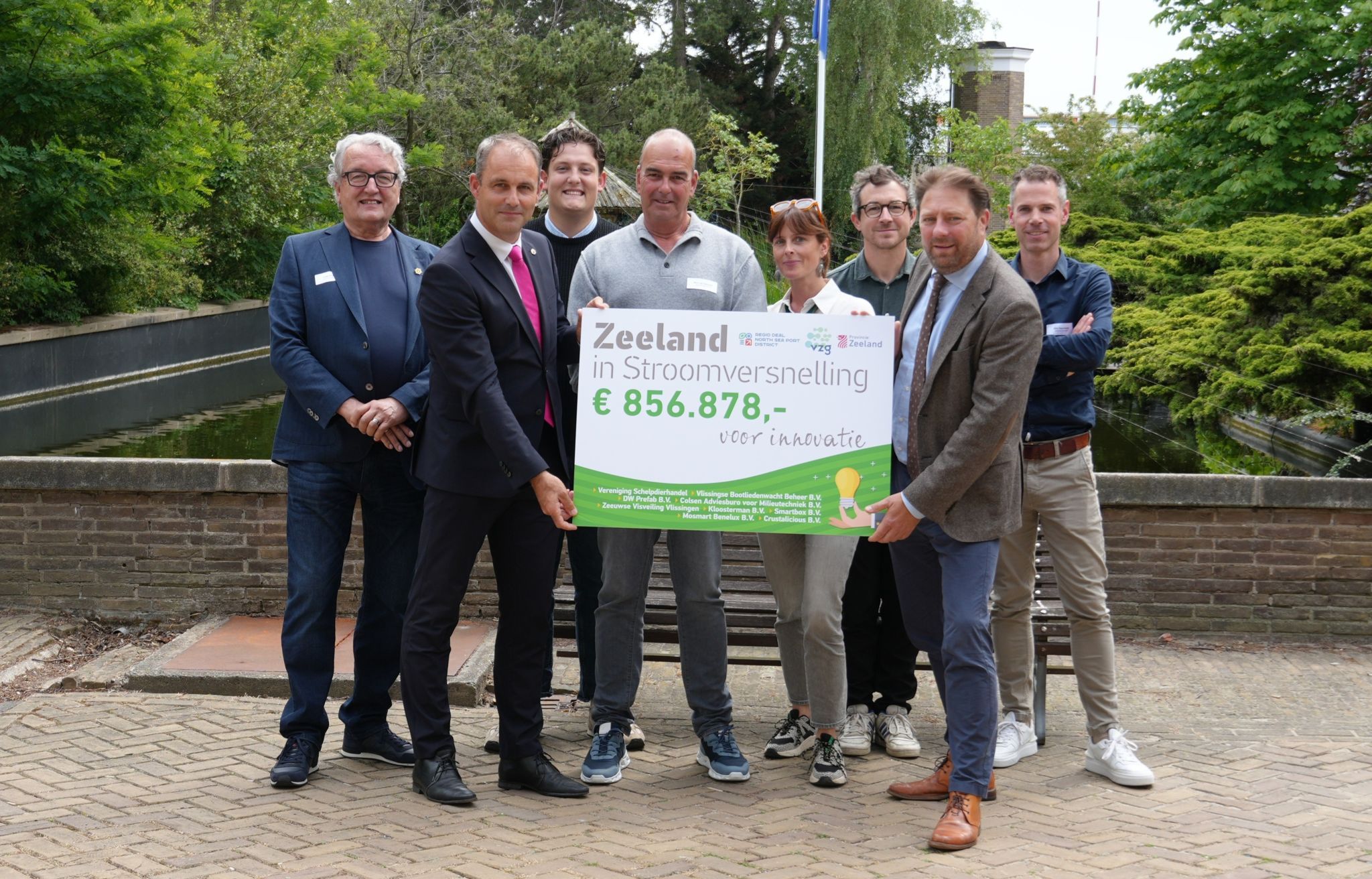
The feasibility study unites Marine Development Holland, Scalda, Moore DRV, Zeeland Connect, and North Sea Port to evaluate the technical, operational, and financial aspects of zero-emission port services in Vlissingen. The project has secured a grant of 49,080 euros through the Zeeland in Stroomversnelling innovation programme.
TB105 is operated continuously in Vlissingen for frequent, short port assignments. This operating profile makes the pontoon a relevant test case for electrification in a busy port environment, where downtime is limited and reliability demands are high.
The study will investigate the electric propulsion concept for the pontoon and the charging infrastructure required to support daily operations. It will also determine if charging fits within existing grid capacity, how operational planning might need to be adjusted, and whether the investment is justified by a viable business case.
For North Sea Port, the project is part of a larger effort to lower emissions from port activities and promote scalable solutions for sustainable logistics. If successful, the feasibility study could offer practical insights for the electrification of other vital harbour services.
The Zeeland in Stroomversnelling programme is supported by the Provincie Zeeland, the municipalities of Zeeland, and the North Sea Port District Regional Deal, aiming to promote innovative projects that help develop a more sustainable and future-proof regional economy.
Image: North Sea Port